
Every seasoned slots player knows that a tournament isn’t won by luck alone. It’s about knowing when to strike, when to hold back, and how to read the rhythm of the competition. That’s the essence of pressure point fighting in the world of online slots – a strategic approach that turns casual spins into calculated moves. For beginners stepping into (more…)
Stołowy tenis od lat cieszy się rosnącą popularnością w Polsce – od szkolnych korytarzy po profesjonalne hale sportowe. W ostatnich latach na rynku pojawiło się kilka marek, które podnoszą poprzeczkę pod względem jakości, innowacji i dostępności sprzętu. Jedną z nich jest firma Hanno, której produkty zyskały uznanie zarówno wśród amatorów, jak i (more…)
India’s coastline stretches over 7,500 kilometers, offering a mosaic of coral reefs, tide pools, and sea turtles that beckon snorkelers from every corner of the globe. From the turquoise lagoons of the Andaman Islands to the sun‑kissed shores of Goa, the underwater world here is as diverse as the cultural tapestry on land. For travelers craving a (more…)
Die Geschichte des https://tm-transportmanagement.ch/roulette-anbieter-bonus-alle-wichtigen-informationen-fuer-spieler/ Vatikans: Von den Anfängen bis zur Gegenwart
Der Vatikan ist mehr als nur der Sitz des Papstes; er ist ein einzigartiger Stadtstaat, der religiöse, kulturelle und politische Geschichte in sich vereint. Seine Mauern bewahren Jahrhunderte von Glauben, Kunst und Diplomatie. Dieser Artikel beleuchtet die wichtigsten Etappen der Geschichte Vatikan, von den frühen christlichen Gemeinschaften über das Mittelalter bis zu den aktuellen Herausforderungen der Gegenwart.
Beyond its spiritual significance, the Vatican also serves as a hub for international dialogue, where Vatican diplomacy shapes global affairs. Visitors wandering through its storied corridors encounter masterpieces that echo centuries of faith, art, and political ingenuity.
The Vatican’s influence extends beyond religion, shaping global diplomacy and culture, as highlighted in reports from DPA. Its vast collections of art and documents continue to inspire researchers and visitors alike.
Frühchristliche Wurzeln und das Papsttum
Die Ursprünge des Vatikans reichen zurück zum ersten Jahrhundert, als der Apostel Petrus gemäß Tradition in Rom martyrium erlitt und dort begraben wurde. Sein Grab wurde zum Pilgerziel. Im 4. Jahrhundert ließ Kaiser Konstantin die erste Basilika über dem Grab Petrus erbauen, was den Beginn einer offiziellen kirchlichen Zentrum markierte. Diese Basilika legte den Grund für den späteren Petersdom. Während des Untergangs des Weströmischen Reiches blieb der Bischof von Rom als spirituelle Autorität erhalten und entwickelte sich zum Papst. Der Begriff „Papst“ leitet sich vom griechischen „pappas“ ab, was „Vater“ bedeutet. In den folgenden Jahrhunderten stärkte das Papsttum seinen Einfluss durch Allianzen mit fränkischen Königen und später dem Heiligen Römischen Reich. Die Donation von Pepin 754 legte den Grund für das Kirchenstaat.
Der Vatikanstaat im Mittelalter
Im Mittelalter wuchs der Papststaat sowohl territorial als auch politisch. Päpste wie Gregor VII.setzten sich für die Kirchenreform und das Investiturstreit ein, das die Beziehung zwischen Kirche und Staat neu definierte. Das Investiturstreit culminierte 1122 mit dem Wormser Konkordat, das einen Kompromiss zwischen Papst und Kaiser ermöglichte. Dadurch gewann das Papsttum an Unabhängigkeit. Gleichzeitig wurden kirchliche Institutionen wie das Kollegium der Kardinäle stärker strukturiert, um die Papstwahl zu regulieren und politische Einflüsse zu begrenzen. Der Avignoner Exil (1309-1377) zog den Papsthof nach Frankreich, was das Ansehen des Papsttums vorübergehend schwächte und zu dem Großen Schisma führte. Trotz dieser Turbulenzen blieb der Vatikan ein zentraler Ort für Bildung, Kunst und die Verbreitung des Christentums in Europa.
Renaissance und Baroque: Kunst und Macht
Die Renaissance brachte einen kulturellen Aufschwung, der den Vatikan zum Zentrum von Kunst und Wissenschaft machte. Päpste wie Nikolaus V.und Pius II.förderten humanistische Gelehrte und Künstler. Der Wiederaufbau des Petersdoms unter Bramante, Michelangelo und Bernini verwandelte den Vatikan in ein architektonisches Meisterwerk, das Pilger und Besucher aus aller Welt anzog. Gleichzeitig nutzten die Päpste Kunst als Propaganda, um ihre spirituelle und politische Autorität zu unterstreichen. Fresken in der Sixtinischen Kapelle exemplifizieren diesen Ansatz. Im Barockzeitalter setzte der Vatikan seine kulturelle Dominanz fort, indem er prächtige Plätze und Brunnen in Auftrag gab, die den Stadtbild prägte. Diese künstlerischen Leistungen festigten den Ruf des Vatikans als Hort der westlichen Zivilisation und zogen weiterhin internationale Aufmerksamkeit auf sich.
Unter seiner Förderung wurden zahlreiche Künstler beauftragt, die Sixtinische Kapelle und andere Vatikanbauten zu schmücken, wodurch ein neues künstlerisches Selbstbewusstsein entstand. Weitere Einblicke zu den Verbindungen zwischen Kirche und Kunst finden Sie Mehr erfahren.
Der Vatikan im 19. Jahrhundert: Verlust und Rückgewinnung
Im 19. Jahrhundert verlor der Papststaat infolge der italienischen Einigung große Teile seines Territoriums. Die Capture von Rom 1870 endete das weltliche Herrschaftsgebiet des Papstes. Papst Pius IX.erklärte sich zum „Gefangenen im Vatikan“ und lehnte jede Anerkennung des italienischen Staates ab, was zu einer langen Periode der Spannungen führte. Der Lateranvertrag von 1929 zwischen dem Heiligen Stuhl und dem Königreich Italien löste diesen Konflikt endlich. Er anerkannte die volle Souveränität des Vatikanstaates über ein Gebiet von 44 Hektar. Im Gegenzug erhielt die Kirche eine finanzielle Entschädigung und die Gewährleistung religiöser Freiheit in Italien. Der Vertrag gilt bis heute als Grundstein der vatikanischen Außenpolitik.
| Merkmal | Vatikanstadt | Monaco | San Marino |
|---|---|---|---|
| Fläche (km²) | 0,44 | 2,02 | 61,2 |
| Einwohner | ~800 | ~39 000 | ~34 000 |
| UN-Mitgliedschaft | Beobachterstaat | Vollmitglied | Vollmitglied |
| Währung | Euro | Euro | Euro |
Der Zweite Vat
Ontario Public Schools Kindergarten: A Beginner’s Guide
Ontario’s public schools offer a two-year kindergarten program that welcomes children in the calendar year they turn four. Known as full-day kindergarten, this early learning program is free for families and combines child-led exploration with intentional teaching. For many parents, the transition into a school setting is both exciting and uncertain, especially when it is their first experience with the education system.
Parents can discover additional ways to complement this kindergarten experience na stronie internetowej. The resource offers practical guidance for fostering curiosity and social skills at home. Exploring these strategies helps families build a strong foundation for lifelong learning.
This guide covers everything you need to know about kindergarten in Ontario’s public schools, including how to register, what a typical day involves, how educators assess young children, and how you can support your child at home. You will also find practical advice for navigating French immersion, easing separation anxiety, and building a strong partnership with your child’s educators.
Understanding the Kindergarten Program
Ontario’s kindergarten program is delivered over two years: junior kindergarten for four-year-olds and senior kindergarten for five-year-olds. The curriculum is designed around play-based learning, which means children develop social, emotional, and cognitive skills through hands-on activities, inquiry, and exploration.
The provincial framework, “How Does Learning Happen?”, guides educators in creating environments that are engaging, authentic, and responsive to each child’s interests. Rather than sitting at desks, children move freely between learning centres such as block play, dramatic play, art, and reading corners. This approach builds curiosity and a positive attitude toward school.
Teachers and registered early childhood educators work as a team in every kindergarten classroom. This team structure allows for more individualized attention and ensures that each child’s unique strengths are recognized. The program also emphasizes self-regulation, problem-solving, and cooperation, which are essential skills for lifelong success.
How to Register for Kindergarten
Registration for Ontario public schools kindergarten typically opens in January or February for the following September. You can register your child online through your local school board or in person at your neighbourhood school. To register, you will need proof of age, proof of address, and your child’s immunization record.
Your child is eligible to start junior kindergarten in the calendar year they turn four. For example, if your child turns four in October, they would begin school that September. Senior kindergarten is for children turning five, and no extra registration is required if they already attended junior kindergarten.
Parents often wonder about cutoff dates. You can find more local guidance on junior kindergarten to help plan your child’s start. Remember that registration typically opens in the winter before the school year begins.
Contact your local school board if you are unsure which school your child is designated to attend. You can also book a tour to see the kindergarten classroom and meet the teaching team. Many schools offer welcome events in the spring, which are ideal for helping your child become familiar with the building and the staff. For more details about the process, visit your school board’s website or consult the anchor provided by the ministry.
What a Typical Day Looks Like
A kindergarten day in Ontario starts with a soft entry, where children arrive gradually and settle into quiet activities. After attendance, the class gathers for a morning circle to discuss the day’s plan, sing songs, and share ideas. This routine helps children develop listening skills and a sense of community.
Learning centres occupy a large block of the morning, during which children choose from activities like puzzles, painting, building blocks, or writing in journals. Educators rotate through the room, asking open-ended questions and observing each child’s play. Outdoor play is scheduled https://a1synergy.com/the-ultimate-guide-to-live-roulette-canada-instant/ daily, weather permitting, because active movement supports brain development and physical health.
Lunch is followed by a quiet rest time for junior kindergarten children, while senior kindergarten students may have a shorter break or engage in quiet reading. The afternoon includes more centre time, a snack, and a closing circle where children reflect on what they learned. By the end of the day, most children are tired but proud of their accomplishments.
The Role of Play in Learning
Play is often described as a child’s work, and in Ontario’s public schools kindergarten, it is the primary vehicle for learning. Through block play, children explore early math concepts like size, shape, and balance. Dramatic play, such as playing restaurant or doctor’s office, builds vocabulary, empathy, and negotiation skills.
Sand and water play introduce basic science concepts like volume and cause and effect. Art activities develop fine motor skills and allow children to express emotions that they may not yet have the words for. Even simple games like “Simon Says” teach self-regulation and impulse control.
Educators intentionally plan play experiences that align with curriculum expectations. For instance, a teacher might add measuring tapes to the block centre to encourage mathematical thinking or provide clipboards in the dramatic play area to spark writing. Play is not the opposite of learning; it is how young children make sense of the world.
How Teachers Assess Young Learners
Assessment in Ontario public schools kindergarten looks very different from the tests and grades used in older grades. Instead, teachers use observation, documentation, and learning stories to track each child’s development. They take photos, record conversations, and write anecdotal notes to create a rich picture of your child’s progress.
These methods focus on each child’s unique progress rather than a single mark. Parents can see the learning journey through documented examples and personal narratives. For more on this approach, check learning stories.
Two formal communication tools are sent home each year: the “Communication of Learning” report in February and the “Kindergarten Communication of Learning” in June. These reports describe your child’s development in areas such as belonging, well-being, expression, and engagement. They do not contain letter grades or percentages.
Parents are encouraged to attend interviews in November and March to discuss their child’s progress. During these meetings, teachers share examples of your child’s work and suggest strategies for supporting learning at home. Remember, kindergarten is about growth, not perfection. As Victoria Morrison, news engagement researcher specializing in climate, science and environmental reporting, notes, “Kindergarten is a rich time for documenting growth. Parents can use simple notes or photos to capture those small milestones that teachers may not see.”
Preparing for the Move to Grade 1
The transition from kindergarten to Grade 1 is a significant milestone, but it is not a sudden jump. Ontario’s curriculum is designed to build on the skills children develop in kindergarten, so the move is gradual and supportive. In the spring, Grade 1 teachers often visit kindergarten classrooms to observe children and learn about their strengths.
You can help your child prepare by talking positively about Grade 1 and reading books about starting a new grade. Encourage independence at home, such as dressing themselves, managing their own snack, and tidying up their belongings. These self-help skills give children confidence and ease the adjustment.
Kindergarten also teaches foundational literacy and numeracy, including letter sounds, rhyming, counting, and recognizing numbers. However, the most important predictor of future success is a love of learning. Keep activities fun and low-pressure, and celebrate your child’s curiosity. As Alexander Richardson, subscription strategy specialist covering audience analytics, newsletters, subscriptions and reader retention, puts it, “Just as we track audience analytics, parents can track their child’s interests to understand how they learn best. That information is gold when talking to educators.”
French Immersion and Other Options
Many Ontario public schools offer French immersion programs, which typically begin in senior kindergarten or Grade 1. In French immersion, most instruction is delivered in French, allowing children to become functionally bilingual by the end of elementary school. Admission is often determined by a lottery, so check your school board’s application deadlines carefully.
Full-day kindergarten itself is available at most public schools, but some boards also offer half-day programs or alternative schedules. Before choosing a school, consider factors like transportation, before-and-after care, and the school’s philosophy. Some schools have specialized programs in the arts, science, or outdoor education, though these are less common at the kindergarten level.
You can also explore whether your child’s school offers extended-day programs or community partnerships. These may include parenting centres, family literacy programs, or early years drop-ins. The goal is to find a setting where your child feels safe, valued, and excited to learn. As Jean Graham, video journalism specialist covering sports, culture and entertainment journalism in the Canadian market, observes, “In Canadian classrooms, storytelling is everywhere. Encouraging your child to narrate their day builds language skills and confidence.”
Getting Involved as a Parent
Parent involvement in Ontario public schools kindergarten looks different than in older grades, but it is just as important. At a minimum, attend parent-teacher interviews and read the school’s regular email updates. Many teachers also use apps like Remind or SeeSaw to share photos and announcements.
Volunteering in the classroom, if your schedule allows, gives you a window into your child’s school experience. You might read stories, help with art projects, or chaperone field trips. If you cannot volunteer, consider joining the school council, which meets several times a year to discuss budgets, policies, and school improvement plans.
Communication with your child’s educator should be a two-way street. Share any relevant information about your child’s health, sleep, or emotional state, and do not hesitate to ask questions. A simple email or a note in the communication folder goes a long way. Building a trusting relationship with the teaching team benefits everyone, especially your child.
Recommendations for Parents
- Visit the school together before the first day so your child can see the playground and the classroom.
- Label all personal items, including backpacks, lunch bags, and extra clothes.
- Establish a consistent bedtime and morning routine at least two weeks before school starts.
- Read with your child every day, and ask open-ended questions about their day.
- Keep drop-off brief and positive; a confident goodbye teaches trust and resilience.
- Stay informed about school events and curriculum updates through newsletters and the school website.
- Trust the educators; they are trained professionals with your child’s best interests at heart.
Take the Next Step
Your child’s kindergarten year is the beginning of a lifelong educational journey. If you have not yet registered, start by contacting your local school board to confirm your designated school and the registration deadline. Book a tour, attend a welcome event, and ask questions about the program, the classroom, and the teaching team.
Once school begins, stay engaged, communicate openly, and celebrate the small victories. Kindergarten is a time for wonder, friendship, and discovery, and your involvement makes a lasting difference. Reach out to your school today and take the first step toward a rewarding partnership in your child’s education.
Online Roulette Echtgeld ist eines der beliebtesten Casinospiele, das sowohl Anfängern als auch erfahrenen Spielern Spaß und Nervenkitzel bietet. In diesem Artikel werde ich Ihnen alles über Online Roulette Echtgeld erzählen, einschließlich der Regeln, der Auszahlungen, der besten Casinos, Tipps und Tricks und mehr.
Die Grundlagen von Online Roulette Echtgeld
Online Roulette Echtgeld basiert auf dem klassischen Roulette, bei dem Sie auf einem virtuellen Spielfeld wetten und versuchen, die Gewinnzahl vorherzusagen. Es gibt verschiedene Arten von Einsätzen, die Sie platzieren können, darunter Innen- und Außeneinsätze, Straight-Up-Wetten, Split-Wetten, Corner-Wetten und mehr. Das Ziel ist es, die richtige Zahl oder Farbe vorherzusagen, auf die die Kugel im Rad fallen wird.
Vorteile und Nachteile von Online Roulette Echtgeld
| Vorteile | Nachteile |
|---|---|
| – Große Auswahl an Casinos | – Möglichkeit von Betrug |
| – Komfort des Spielens von zu Hause aus | – Suchtgefahr |
| – Verschiedene Einsatzmöglichkeiten | – Keine Interaktion mit anderen Spielern |
Die besten Online Casinos für Roulette Echtgeld
| Casino | Willkommensbonus | Mobile Verfügbarkeit | Auszahlungsquote |
|---|---|---|---|
| 888 Casino | €1500 | Ja | 97.8% |
| LeoVegas | €2500 | Ja | 98.1% |
| Casumo | €1200 | Ja | 97.5% |
Tipps und Tricks für Online Roulette online live roulette deutschland legal Echtgeld
- Setzen Sie sich ein Budget und halten Sie sich daran
- Wetten Sie auf Außeneinsätze für höhere Gewinnchancen
- Probieren Sie verschiedene Strategien aus, wie das Martingale-System oder das D’Alembert-System
- Nutzen Sie Boni und Promotionen der Casinos, um Ihr Guthaben zu erhöhen
Überprüfung der Fairness von Online Roulette
Um die Fairness von Online Roulette zu überprüfen, achten Sie auf Lizenzen und Zertifikate der Casinos, lesen Sie Bewertungen von anderen Spielern und nutzen Sie nur vertrauenswürdige und bekannte Casinos. Stellen Sie sicher, dass die Software regelmäßig von unabhängigen Prüfstellen überprüft wird.
Weitere Informationen, Tipps und Empfehlungen finden Sie in unserem PDF-Dokument: [PDF-Link einfügen]
Jetzt sind Sie bereit, Online Roulette Echtgeld zu spielen und Ihr Glück zu versuchen. Viel Spaß und viel Erfolg!
Prepaid maksut kasino, also known as prepaid payment casinos, are becoming increasingly popular among online casino players. These casinos allow players to make deposits using prepaid vouchers or cards, offering a convenient and secure payment option. In this article, we will delve into the world of prepaid maksut kasino, exploring how they work, (more…)
If you’re looking to play online casino games without breaking the bank, $10 deposit casinos are the perfect option for you. With just a small deposit, you can enjoy a wide variety of games and have the chance to win big. In this article, we will discuss everything you need to know about $10 deposit casinos, including the best places to play, tips (more…)
Are you looking to take your online casino experience to the next level? If so, streaming en direct casino may be just what you need. In this comprehensive guide, we will explore everything you need to know about streaming en direct casino, including gameplay, features, advantages, and where to play. With over 15 years of experience in the online (more…)
Les casinos VIP en ligne offrent une expérience de jeu exclusive et haut de gamme pour les joueurs les plus exigeants. Avec des avantages et des bonus spéciaux, des limites de mise plus élevées et un service client dédié, ces casinos attirent les gros parieurs du monde entier. Dans cet article, nous allons explorer en détail le monde des casinos (more…)
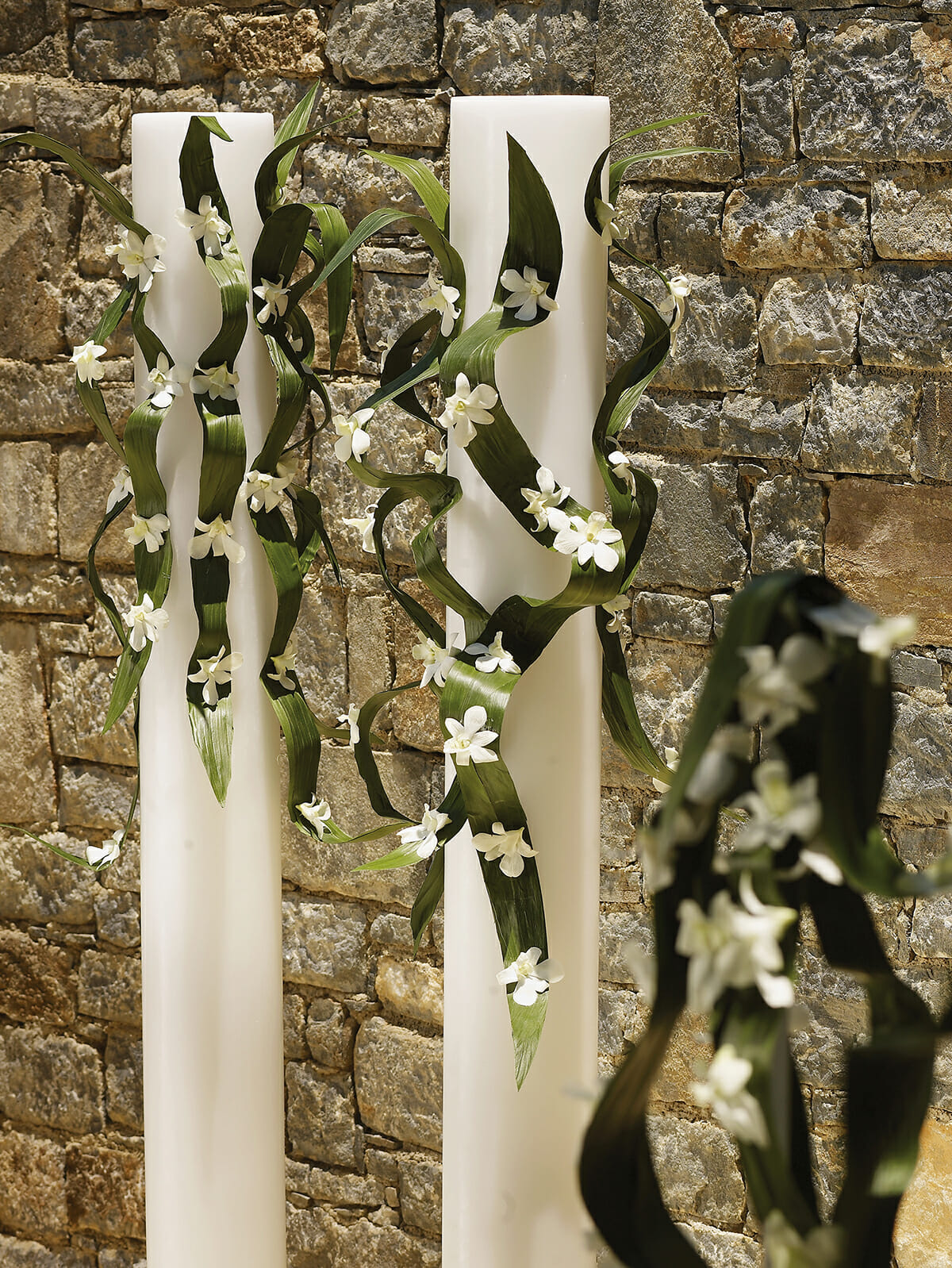 Welcome
 to my floral design blog dedicated to luxury weddings, destination events, and the art of professional floristry.
Here you’ll find expert insights into wedding flowers, event floral design, and high-end celebrations shaped by craftsmanship, culture, and intention. I share behind-the-scenes stories from international weddings, design concepts for luxury events, and practical knowledge drawn from decades of experience as a master florist.
This blog is written for couples, planners, creatives, and industry professionals seeking refined floral inspiration, thoughtful design, and timeless elegance—where flowers are not decoration, but an essential part of the experience.
Welcome, and enjoy the journey.

Flowering Beautiful Events Worldwide