Felixspin Casino mesas de póker intensas con duelos de estrategia

Felixspin Casino

Felixspin Casino y mis duelos de póker más intensos

Hay sesiones de póker online que se olvidan rápido y otras que se quedan dando vueltas en la cabeza incluso después de cerrar el navegador. En mi caso, las partidas más tensas no fueron necesariamente las de premios más altos, sino aquellas en las que sentí que cada apuesta tenía una intención, una historia y, a veces, una pequeña trampa. Esa fue la sensación que encontré al explorar las mesas de felixspin casino, donde el póker me pareció menos automático de lo que esperaba.

Yo entré con una idea bastante simple, jugar unas cuantas manos de Texas Hold’em y comprobar si el ritmo me resultaba cómodo. Sin embargo, a los pocos minutos entendí que no basta con conocer las combinaciones. En una mesa de póker, sobre todo cuando hay jugadores que cambian de velocidad, lo importante es observar. Quizá suene obvio, pero tardé un poco en darme cuenta de cuánto influye una subida pequeña, un check que llega demasiado deprisa o una pausa de seis segundos antes de apostar.

Primeras manos, formatos y una elección menos simple de lo que parece

El primer dilema llegó antes de repartir una carta. Había distintos formatos, cada uno con su propia energía. Los torneos me atraen porque existe una progresión clara y porque sobrevivir a los niveles iniciales genera una especie de compromiso emocional. Aun así, en una sesión corta preferí las mesas cash, donde podía entrar, jugar con un límite definido y salir sin esperar a que terminara una estructura completa.

Probé también algunos duelos con pocos participantes, y ahí noté la diferencia de inmediato. En una mesa llena es fácil esperar una mano razonable y dejar que otros se expongan. En cambio, cuando quedan dos o tres jugadores, la presión cambia. Las ciegas pesan más, las manos marginales ganan valor y cada rival parece estar probando hasta dónde puede empujarte. Una pareja pequeña que en una mesa de nueve jugadores habría soltado sin pena, en un formato corto puede convertirse en una decisión incómoda.

Formato Lo que noté al jugar Nivel de presión
Cash game Más libertad para elegir duración y controlar la entrada. Media, aunque puede subir rápido con rivales agresivos.
Torneo Cada ficha acabó teniendo valor estratégico por los niveles de ciegas. Alta en fases medias y finales.
Mesa corta Más manos jugables y menos espacio para esconderse. Alta, especialmente en duelos directos.

Mi preferencia personal terminó inclinándose hacia las mesas cortas. No porque sean fáciles, en realidad pueden ser bastante exigentes, sino porque obligan a pensar. No da tiempo a quedarse esperando siempre ases o reyes. Hay que decidir qué hacer con un as débil, con conectores del mismo palo o incluso con una pareja media cuando el rival parece dispuesto a atacar cada bote.

Leer la mesa sin ver el rostro de nadie

Al principio me costó aceptar que el comportamiento digital también deja huellas. Un rival puede ocultar su identidad, pero rara vez logra ocultar por completo su forma de jugar. Durante una de mis sesiones anoté mentalmente a un jugador que abría muchas manos desde posición final, aunque luego abandonaba con demasiada facilidad ante una resubida. No era una certeza absoluta, por supuesto. Una observación no convierte a nadie en un libro abierto. Pero ese detalle me permitió defender mejor mis ciegas.

La posición fue otra lección que reapareció una y otra vez. Cuando yo hablaba el último después del flop, sentía que tenía una información extra. Podía ver si el rival apostaba con seguridad, si intentaba controlar el bote o si parecía incómodo con las cartas comunitarias. A veces decidí no apostar y simplemente observar. Es raro, porque uno entra en una partida con ganas de actuar, pero saber no poner fichas en el centro también puede ser una decisión estratégica.

Para no perderme entre impresiones vagas, empecé a seguir unas señales básicas. No las tomo como reglas rígidas, porque el póker castiga bastante las conclusiones rápidas, pero me ayudaron a ordenar la sesión:

  • La frecuencia con la que un rival entra voluntariamente en los botes.
  • El tamaño de sus apuestas cuando quiere proteger una mano.
  • La diferencia entre sus decisiones rápidas y sus pausas largas.
  • Su reacción después de perder un bote importante.
  • La tendencia a atacar ciegas o, por el contrario, a ceder demasiadas manos.

Hubo una mano concreta que todavía recuerdo. Tenía dama y jota del mismo palo, una mano atractiva pero no espectacular. El flop trajo cartas conectadas y un proyecto razonable. El jugador a mi derecha hizo una apuesta pequeña, casi mecánica. En las manos anteriores había apostado mucho más cuando llevaba algo fuerte. No podía saberlo, claro, pero pensé que intentaba comprar el bote barato. Subí con moderación y terminó retirándose. Gané poco, aunque la sensación de haber entendido el contexto fue más interesante que el importe.

Decisiones bajo presión, cuando la mano parece hablar demasiado alto

La parte difícil del póker no siempre llega cuando recibes malas cartas. A veces aparece con una mano buena, justo cuando te convences de que mereces ganar. Ese es el instante en que resulta fácil pagar una apuesta que, si se mira con calma, quizá no tiene sentido. Yo cometí ese error en una mesa de ritmo rápido: ligué una pareja alta en el flop, vi dos apuestas del rival y pagué la última por una mezcla de curiosidad y orgullo. Mostró una mano superior. No fue una catástrofe, pero sí una llamada de atención.

Desde entonces intento seguir una secuencia sencilla antes de comprometer demasiadas fichas. No elimina el nerviosismo, ni debería hacerlo, pero me da unos segundos para separar la emoción de la decisión.

  1. Reviso la posición: no vale lo mismo apostar primero que responder con información previa.
  2. Repaso la historia de la mano: intento recordar si la línea del rival encaja con una mano fuerte.
  3. Calculo el tamaño del bote: a veces el precio para continuar simplemente es demasiado alto.
  4. Valoro las cartas posibles: no solo las que me favorecen, también las que pueden completar al contrario.
  5. Me permito retirarme: esta última parte parece sencilla, pero para mí fue la más difícil de aprender.

Una retirada bien hecha no se siente heroica. Nadie la celebra y, durante unos segundos, incluso puede parecer una oportunidad desperdiciada. Sin embargo, al revisar algunas sesiones entendí que los botes que no perdí tuvieron tanto peso como los que conseguí ganar. El póker tiene ese punto algo incómodo: muchas decisiones correctas no dan recompensa inmediata. A veces solo evitan una pérdida mayor.

Situación en la mesa Mi reacción inicial La decisión más útil
Rival muy agresivo tras el flop Pagar para “ver qué tiene”. Esperar una mano o una textura que justifique responder.
Varias pérdidas seguidas Recuperar rápido subiendo el riesgo. Reducir ritmo, revisar el presupuesto o hacer una pausa.
Mano media fuera de posición Defender por no parecer débil. Aceptar que no todas las manos deben jugarse hasta el final.

Ritmo, banca y el valor de detenerse a tiempo

Para mí, una experiencia de póker satisfactoria depende tanto de las cartas como del límite que uno se marca antes de empezar. Entré con una cantidad concreta destinada al entretenimiento y procuré no modificarla durante la sesión. Parece un detalle pequeño, pero cambia la manera de pensar. Si cada decisión se vive como una urgencia económica, resulta mucho más difícil leer la mesa con claridad.

También descubrí que jugar cansado es una mala idea. Una noche continué más tiempo del que había planeado, quizá porque quería compensar una mano perdida. Empecé a ver faroles en todas partes y luego, de forma contradictoria, a no ver ninguno. Esa mezcla no suele acabar bien. Cerré la partida, preparé un vaso de agua y al día siguiente, al revisar mis sensaciones, me pareció evidente que la pausa había llegado tarde.

No creo que exista una fórmula única. Algunos jugadores disfrutan de torneos largos y otros prefieren sesiones breves con límites moderados. En mi caso, las partidas más interesantes fueron las que combinaban atención, paciencia y una pequeña dosis de incertidumbre. La estrategia importa mucho, pero también importa reconocer que el azar participa y que ninguna lectura es perfecta.

Conclusión

Mi experiencia en las mesas de póker de Felixspin Casino me dejó claro que los duelos intensos no dependen solo de recibir buenas manos. La verdadera tensión aparece al interpretar apuestas, medir riesgos y decidir si conviene atacar, pagar o retirarse cuando el rival parece tener ventaja. Yo disfruté especialmente de ese componente mental, aunque admito que a veces resulta agotador. Con un presupuesto definido, pausas razonables y una mirada crítica sobre cada decisión, el póker online puede convertirse en una experiencia estratégica y entretenida, no en una carrera impulsiva detrás de la siguiente carta.

Classic table games reimagined at Nine Casino with polished presentation

Classic Table

Classic table games, reimagined with polish

There is something reassuring about a proper table game. Slots can be entertaining in short bursts, certainly, but blackjack, roulette, and baccarat ask for a little more attention. A choice has to be made, even if it is only deciding whether to stand on a borderline hand. That small pause between action and result is what keeps me returning to these older formats.

When I spent time exploring the table section at nine casino, the first thing that stood out was not a dramatic bonus banner or a loud animation. It was the presentation. The lobby felt more ordered than many casino menus I have tried. Games were grouped in a way that made sense, and the layouts gave classic titles a cleaner, more current look without pretending they were something entirely new.

I tend to approach online table games with a mixture of interest and caution. The rules are often simple enough to explain in a minute, but the odds, side bets, and pace can complicate things quickly. That is especially true when a game looks polished, because visual confidence can make a player feel more certain than they really are. It took me a while to notice that distinction.

A familiar format that does not feel dated

Classic casino games have a problem online: they can either look too plain or become overdesigned. A traditional green felt background and a few chips may be enough for someone who already knows every rule, but new players need clearer visual cues. On the other hand, excessive effects can distract from the numbers that actually matter. Here, I found the balance mostly convincing.

The tables appeared polished rather than flashy. Card values were easy to read, betting areas did not feel crowded, and menus generally stayed out of the way. That matters more than it sounds. During one blackjack session, I noticed I could follow the dealer’s upcard, my total, and the available actions without squinting or opening another panel. It is a small detail, but small details shape whether a game feels calm or rushed.

For me, the strongest part of a modern table-game lobby is being able to move from learning to playing without feeling pushed. I like reading the game information first, even for games I know. Rules can vary. Blackjack may pay differently, roulette may use one or two zeroes, and baccarat side bets can have their own terms. Those variations are not cosmetic, so I never assume the familiar name tells the full story.

Blackjack, where small decisions carry weight

Blackjack is the table game I spent the most time with. The core rule is straightforward: get closer to 21 than the dealer without going over. Number cards count at face value, face cards count as ten, and aces can count as one or eleven. Yet the game becomes more interesting because each hand presents a decision. Hit, stand, double, split, and sometimes surrender are not just decorative buttons.

What I appreciate about blackjack is that it can reward discipline, though not in the magical sense sometimes suggested online. A sensible strategy does not promise a win on a particular hand. It simply helps reduce avoidable mistakes over many hands. The house edge can be relatively low when the rules are favourable and a player follows basic strategy, but it never disappears.

Blackjack Rules

The choices I found most worth slowing down for were these:

  1. Check the dealer’s visible card first. A dealer showing a low card creates a different situation from one showing a ten or an ace. I used to focus too much on my own total, which is understandable, but incomplete.
  2. Do not treat every 16 the same way. A hard 16, a soft 16, and a pair of eights are different hands. This was one of those details I initially glossed over, then later realised was central.
  3. Read the blackjack payout. A natural blackjack traditionally pays 3:2 in better rule sets. A 6:5 payout may look harmless, but it increases the house advantage noticeably over time.
  4. Be cautious with insurance. It feels protective when the dealer shows an ace, but it is generally not an attractive bet for a typical player who does not know the remaining deck composition.

My most common blackjack mistake was emotional rather than technical. After a few losses, I felt tempted to make decisions faster, as if speed might restore momentum. It never did. One evening, I stood on a hard 16 against a dealer ten simply because I was tired of busting. The dealer turned over a six, then drew to 21. I remember staring at the screen for a second, mildly annoyed, although the more useful lesson was obvious: frustration is not a strategy.

Roulette odds, simplified before the wheel spins

Roulette is visually simple and, at the same time, oddly good at encouraging complicated betting patterns. The wheel spins, the ball lands, and the result is final. There is no decision after the bet is placed. Perhaps that is why players, including me at times, can overthink patterns that are not really there.

The first rule I now check is the wheel type. European roulette has a single zero, while American roulette has a zero and a double zero. That extra pocket makes a meaningful difference. On a European wheel, most standard bets carry a house edge of about 2.7%. On an American wheel, it rises to around 5.26%. The interface may look nearly identical, but the long-term maths is not.

A few roulette habits have helped me keep the game in perspective:

  • I choose the wheel version before choosing the numbers. The single-zero format is generally the more player-friendly option.
  • I remember that red, black, odd, and even bets can still lose when the ball lands on zero.
  • I avoid increasing stakes just because a colour has not appeared recently. Previous spins do not make the next spin “due”.
  • I use straight-up bets as entertainment, not as a reliable route to a large return. Their payout is high because their probability is low.

The polished presentation makes roulette enjoyable to watch, especially in live formats. Still, it is a game where I try to be blunt with myself. A sequence of five black results feels meaningful. Mathematically, it is simply a sequence of five black results. There is something freeing about accepting that, even if it makes the game a little less mystical.

Baccarat is quieter than it first appears

Baccarat intimidated me at first because the table layout looked formal, almost ceremonial. In practice, it is one of the easiest major casino games to understand. A player bets on Player, Banker, or Tie. Two hands are dealt, and the hand closest to nine wins. Tens and face cards count as zero, aces count as one, and totals drop the first digit, so a total of 15 becomes five.

The confusing part is not the main bet, it is the drawing rules. Fortunately, those rules are automatic. I do not have to decide whether Player or Banker takes a third card. That made baccarat feel more relaxing after a session of blackjack, where every decision can seem loaded. There is less agency, which may be a drawback for some people, but I found it pleasantly direct.

In terms of odds, Banker is generally the strongest main wager, despite the usual commission deducted when it wins. Player is close behind. The Tie bet offers a larger payout, but its house edge is much higher. I learned that the easy way, or at least the mildly embarrassing way, by placing a few Tie bets because the payout figure looked appealing. A bigger displayed payout is usually a signal to check the probability, not a reason to bet immediately.

The mistakes I see most often, including my own

The recurring errors across table games are not always about failing to memorise rules. More often, they come from expectation. A player may know that roulette is random and still believe the wheel has a memory. Someone may understand blackjack basic strategy and then abandon it after two bad outcomes. I have done versions of both, so this is not distant criticism.

When I want a more controlled session, I stick to a short routine:

  1. Set an amount I am comfortable losing before opening a game, rather than deciding after I have already started.
  2. Use a modest stake size that makes several rounds possible, because one large bet can turn a casual session into a stressful one.
  3. Read the specific game rules, particularly payout ratios, side bets, commissions, and minimum or maximum limits.
  4. Take a break when I catch myself trying to recover a loss quickly. That moment is usually more important than the next hand or spin.

Side bets deserve special mention. They are often presented attractively, and I understand why. In blackjack, a perfect pair or 21+3 style wager can add excitement. In baccarat, pair bets and other extras give a round more moving parts. But those bets commonly have higher house edges than the main game. I do not think they need to be avoided forever, but I treat them as occasional entertainment rather than a core plan.

Why presentation changes the player experience

A well-made online table game does not make gambling safer or more profitable. It does, however, make it easier to understand what is happening. At Nine Casino, the polished presentation seemed most useful when it supported clarity: legible cards, clean betting areas, visible history panels, and an interface that did not bury important information under decoration.

Live dealer tables add another layer. Seeing a real wheel turn or a dealer handle cards can feel closer to a land-based casino, though I still notice the difference. There is a screen between me and the table, and sometimes a short delay before a round begins. Oddly, I liked that pause. It gave me a moment to reconsider a wager rather than reacting automatically.

The experience is best, in my opinion, when the visual polish stays in the background. I do not need dramatic music after every roulette spin. I need the relevant numbers to be readable. I need a clear indication of what I selected. And if I am playing on a smaller screen, I want the controls to remain sensible. That sounds basic, but it is not always done well.

FAQ

Which classic table game has the simplest rules? Baccarat is probably the easiest to follow once the three main betting options are understood. The third-card rules happen automatically, so the player mainly chooses a side before the cards are dealt.

Is blackjack better than roulette for odds? It can be, particularly when the blackjack rules are favourable and basic strategy is used consistently. European roulette has a fixed 2.7% house edge on most standard bets, while blackjack varies according to its rules and the player’s decisions.

Should I use roulette betting systems? I see them as staking patterns, not methods for changing the underlying odds. Systems such as doubling after losses can become risky quickly because table limits and personal budgets are finite.

Are side bets worth trying? They can make a session more varied, but they often carry less favourable odds. I prefer to know the payout and house edge first, then decide whether the extra excitement is worth a small, separate wager.

Reviews and my final impressions

My review of the classic table-game experience is generally positive. The strongest feature is the refined presentation, which helps old favourites feel current without stripping away the parts that made them classics in the first place. Blackjack retained its decision-making tension, roulette retained its simple suspense, and baccarat remained reassuringly straightforward.

If I were summarising the experience for another player, these would be my main takeaways:

  • The visual design is clean enough to support, rather than distract from, game decisions.
  • Blackjack rewards careful attention to rules and payouts more than instinctive play.
  • European roulette is the version I would look for first because of its lower house edge.
  • Baccarat is an accessible option for players who prefer simple main bets and a quicker rhythm.
  • Responsible limits matter more than any perceived streak, system, or attractive side wager.

I came away thinking that polished presentation is most valuable when it makes a familiar game easier to read and less tiring to play. The cards, wheel, and betting slips may look sharper than they did years ago, but the basics remain unchanged. Learn the rules, understand the odds, keep the stakes comfortable, and do not let a polished table persuade you that chance has become predictable.

Instant Games Auswahl im Casino für kurzweilige Unterhaltung und Spaß

Instant Games

Instant Games Auswahl im Casino für kurzweilige Unterhaltung und Spaß

Bei Casino-Spielen denke ich nicht immer an lange Abende, große Slot-Lobbys oder komplizierte Turniere. Manchmal bleiben zwischen zwei Terminen nur zehn Minuten, vielleicht auch weniger. Genau dann sind Instant Games für mich interessant geworden. Als ich mich zum ersten Mal genauer durch verschiedene Angebote klickte, habe ich unter anderem die Übersicht von Amazon Slots deutschland genutzt, um ein Gefühl dafür zu bekommen, welche Plattformen und Spielarten in Deutschland überhaupt relevant sein können.

Der Begriff klingt zunächst fast zu allgemein. Im Kern meine ich damit Spiele, die ohne lange Vorbereitung beginnen, schnell verständlich sind und oft nach wenigen Sekunden oder Minuten eine Runde abschließen. Ich mag das, obwohl ich sonst durchaus gern einen klassischen Slot mit guter Atmosphäre spiele. An manchen Tagen möchte ich aber keine zehn Bonusfunktionen lernen, keine Spielmechanik analysieren und auch nicht erst zwanzig Walzen drehen, bevor etwas passiert. Ein klarer Ablauf reicht dann völlig.

Mein erster Eindruck von schnellen Casino-Spielen

Mein erster Versuch war weniger elegant, als ich erwartet hatte. Ich saß abends mit einer Tasse Tee am Küchentisch und dachte, ich würde nur kurz zwei oder drei Runden testen. Daraus wurden knapp zwanzig Minuten, nicht wegen eines großen Gewinns, sondern weil ich feststellen wollte, wie unterschiedlich sich die einzelnen Formate anfühlen. Ein Crash Game war für mich viel unmittelbarer als ein Slot, während Keno eher ruhig wirkte, obwohl das Ergebnis ebenfalls schnell feststeht.

Was mir auffiel: Geschwindigkeit bedeutet nicht automatisch Hektik. Gute Instant Games geben mir die Möglichkeit, das Tempo selbst zu bestimmen. Bei manchen Spielen starte ich die nächste Runde bewusst erst nach einer kurzen Pause. Bei anderen kann ich sehr schnell weitermachen, was reizvoll ist, aber auch eine gewisse Aufmerksamkeit verlangt. Gerade diese kleine Entscheidung, noch eine Runde oder lieber Schluss, ist für mich wichtiger als die bunte Oberfläche.

In einem Online Casino schaue ich deshalb nicht nur auf die Anzahl der Spiele. Eine riesige Auswahl klingt gut, kann aber auch mühsam sein. Wenn Filter, Suchfunktion und Spielkategorien sinnvoll aufgebaut sind, finde ich viel eher etwas Passendes. Ich möchte nicht ewig suchen, nur um dann aus Bequemlichkeit irgendein Spiel zu öffnen. Das ist vielleicht ein kleines Detail, doch für kurze Sessions macht es einen echten Unterschied.

Welche Instant Games ich besonders praktisch finde

Über die Zeit habe ich gemerkt, dass nicht jedes Schnellspiel zu meiner Stimmung passt. Manche Tage vertrage ich das direkte Auf und Ab eines Crash Games nicht besonders gut. Dann ist eine kleine Keno-Runde angenehmer. Andere Formate, etwa Plinko oder einfache Kartenvarianten, liegen irgendwo dazwischen. Sie sind leicht zugänglich, aber nicht komplett vorhersehbar, was vermutlich Teil ihres Reizes ist.

  • Crash Games passen für mich, wenn ich eine sehr kurze, konzentrierte Runde möchte und mein Limit vorher festgelegt habe.
  • Plinko spiele ich eher wegen der einfachen Mechanik und weil sich der Verlauf optisch gut nachvollziehen lässt.
  • Keno empfinde ich als ruhiger, da ich Zahlen auswähle und anschließend auf das Ergebnis warte.
  • Mines kann spannend sein, verlangt aber mehr Aufmerksamkeit, als der schlichte Aufbau zunächst vermuten lässt.

Ein Spiel muss für mich nicht kompliziert sein, um unterhaltsam zu wirken. Im Gegenteil, bei sehr kurzen Sessions stört mich überflüssige Komplexität eher. Trotzdem möchte ich die Regeln sofort einsehen können. Seriöse Casino-Plattformen stellen üblicherweise Informationen zu Einsätzen, Auszahlungsquoten, Spielablauf und eventuellen Sonderfunktionen bereit. Ich lese diese Angaben nicht immer in voller Länge, das wäre gelogen, aber vor dem ersten Einsatz schaue ich zumindest auf die Grundlagen.

Die mobile Nutzung spielt ebenfalls hinein. Vieles wird inzwischen auf dem Smartphone getestet, etwa in einer Wartezeit oder auf dem Sofa. Dabei merke ich schnell, ob ein Spiel gut umgesetzt ist. Kleine Schaltflächen, unklare Menüs oder ein sich verschiebender Einsatzregler nerven mich sofort. Bei Instant Games sollte der Ablauf schlicht sein: Einsatz wählen, Runde starten, Ergebnis verstehen. Mehr brauche ich in dem Moment wirklich nicht.

Kurze Sessions bewusst planen

Der Vorteil kurzer Casino-Sessions liegt für mich nicht darin, möglichst viele Runden unterzubringen. Eher im Gegenteil. Ich kann mich für wenige Minuten unterhalten lassen und danach wieder etwas anderes tun. Das funktioniert allerdings nur, wenn ich die Runde nicht gedankenlos verlängere. Gerade weil Instant Games so schnell starten, kann die Zeit leicht verschwimmen. Einmal habe ich erst auf die Uhr geschaut, als mein Tee längst kalt war. Keine Katastrophe, aber ein ziemlich klarer Hinweis.

Heute gehe ich meist in einer einfachen Reihenfolge vor. Das wirkt vielleicht übervorsichtig, hilft mir aber, aus einem kurzen Spiel keine spontane Gewohnheit werden zu lassen.

  1. Ich entscheide vor dem Login, wie lange die Session dauern soll.
  2. Ich lege einen Betrag fest, den ich als Unterhaltungsausgabe akzeptieren kann.
  3. Ich wähle ein Spiel mit verständlichen Regeln statt wahllos zwischen mehreren Titeln zu wechseln.
  4. Nach Ablauf der Zeit beende ich die Session, unabhängig davon, ob die letzte Runde gut oder schlecht lief.

Diese Vorgehensweise nimmt dem Ganzen überraschenderweise nicht den Spaß. Sie macht das Erlebnis sogar entspannter. Ich muss nicht versuchen, Verluste auszugleichen, und ich deute einen Gewinn nicht als Signal, unbedingt weiterzumachen. Glücksspiel bleibt Glücksspiel. Ergebnisse sind zufällig, und auch ein Spiel mit einer attraktiven Quote ist keine verlässliche Einnahmequelle. Das klingt nüchtern, gehört für mich aber ganz selbstverständlich dazu.

Tempo, Einsatz und Spielgefühl im Vergleich

Die Unterschiede zwischen den Formaten werden deutlicher, wenn ich sie nicht nur nach dem Design bewerte. Ich achte auf die typische Rundendauer, auf die Möglichkeit zur Einsatzkontrolle und darauf, wie aktiv ich mich während der Runde fühle. Ein klassischer Slot kann ebenfalls schnell sein, aber die schnelle Abfolge entsteht dort häufig erst durch Autoplay oder rasches Drehen. Bei Instant Games ist das Tempo eher Teil des Grundkonzepts.

Spielformat Typische Dauer Mein Eindruck Für kurze Pausen geeignet
Crash Game Sekunden bis wenige Minuten Sehr direkt und konzentriert Ja, mit festem Limit
Plinko Wenige Sekunden Einfach, visuell und schnell erklärt Ja
Keno Etwa eine Minute Ruhiger und weniger hektisch Ja
Mines Variabel Spannend, aber mental präsenter Eher mit Zeitgefühl

Solche Vergleiche sind natürlich persönlich. Jemand anderes empfindet vielleicht gerade Keno als zu langsam und möchte lieber jede Sekunde eine Entscheidung treffen. Mir hilft es, meine eigene Stimmung ernst zu nehmen. Wenn ich müde bin oder mich ohnehin schon unruhig fühle, wähle ich kein Format, das mich noch weiter beschleunigt. Das ist kein kompliziertes System, eher gesunder Menschenverstand.

Was bei der Auswahl im Alltag zählt

Was Bei

Neben den Spielen selbst prüfe ich bei einem Online Casino ein paar Punkte, bevor ich Geld einzahle. Eine nachvollziehbare Lizenz, klare Angaben zu Einzahlung und Auszahlung sowie erreichbarer Kundenservice sind für mich keine Nebensache. Gerade bei kurzen Sessions möchte ich nicht später lange nach Informationen suchen müssen. Wenn Einzahlungsgrenzen, Bearbeitungszeiten oder Bonusbedingungen nur schwer auffindbar sind, verliere ich meist schon das Interesse.

Bonusse können nett sein, aber bei Instant Games sehe ich sie etwas zwiespältig. Ein Willkommensbonus klingt zunächst attraktiv, doch ich schaue inzwischen genau auf Umsatzbedingungen, Fristen und darauf, welche Spiele überhaupt zählen. Schnellspiele sind nicht in jedem Casino gleichermaßen für Bonusumsätze zugelassen. Manchmal ist ein kleiner, unkomplizierter Einzahlungsbetrag für mich sinnvoller als ein großes Angebot, das ich erst mühsam verstehen muss.

  • Ich prüfe, ob die Spielregeln direkt im Spiel oder gut sichtbar in der Lobby stehen.
  • Ich achte auf schnelle, transparente Zahlungsoptionen und auf mögliche Gebühren.
  • Ich sehe mir an, ob Limits, Pausenfunktionen und Selbstausschluss leicht erreichbar sind.
  • Ich teste, ob die Casino-Seite auf meinem Gerät stabil und übersichtlich läuft.

Ein weiterer Punkt ist die Demo-Version, sofern sie verfügbar ist. Ich nutze sie nicht, um eine Gewinnstrategie zu finden, denn die gibt es bei Zufallsspielen nicht. Sie hilft mir vielmehr dabei, die Bedienung kennenzulernen. Bei Plinko wollte ich zum Beispiel erst verstehen, wie sich die Risiko-Einstellung auf mögliche Auszahlungen auswirkt. Nach ein paar kostenlosen Testläufen war mir klar, dass ich die niedrigere Variante angenehmer finde. Nicht spektakulär, aber passend für mich.

Manchmal entscheide ich mich am Ende trotzdem für einen klassischen Slot. Das ist der kleine Widerspruch an meiner eigenen Vorliebe für Instant Games. Wenn ein Slot gute Musik hat, ein ruhiges Thema und nicht dauernd nach meiner Aufmerksamkeit verlangt, kann er genauso gut für eine Pause taugen. Die Auswahl sollte deshalb nicht dogmatisch sein. Ich sehe Instant Games eher als zusätzliche Kategorie, nicht als Ersatz für alle anderen Casino-Angebote.

Warum weniger Auswahl manchmal besser funktioniert

Ich habe mir inzwischen eine kleine persönliche Favoritenliste angelegt. Das klingt vielleicht seltsam in einer Casino-Lobby mit hunderten Titeln, spart mir aber Zeit. Statt jeden Besuch mit der Suche zu beginnen, öffne ich eines von wenigen Spielen, deren Ablauf ich kenne. Dadurch bleibt die Session kurz. Außerdem fällt es mir leichter, meine Reaktion auf das Spiel ehrlich einzuschätzen, weil ich nicht ständig neue Reize dazwischenwerfe.

  • Ein Spiel für besonders kurze Pausen von wenigen Minuten.
  • Ein ruhigeres Format, wenn ich keine schnelle Entscheidungsfolge möchte.
  • Ein Titel zum gelegentlichen Testen neuer Einstellungen im Demo-Modus.

Diese Begrenzung ist für mich fast angenehmer als eine endlose Auswahl. Sie sorgt nicht für mehr Gewinn und sie soll das auch gar nicht. Sie verhindert nur, dass ich mich unnötig verzettele. Das ist letztlich der Kern meiner Erfahrung mit schnellen Casino-Spielen: Unterhaltung funktioniert besser, wenn sie nicht jedes freie Zeitfenster übernehmen darf.

Fazit

Instant Games können im Online Casino eine unterhaltsame Lösung für kurze, klar begrenzte Spielphasen sein. Ich schätze ihre einfache Bedienung, die schnellen Ergebnisse und die Möglichkeit, ohne große Vorbereitung einzusteigen. Gleichzeitig habe ich gelernt, dass gerade das hohe Tempo einen bewussten Umgang verlangt. Mit einem festen Budget, einer kurzen Zeitvorgabe und einer Auswahl an verständlichen Spielen bleibt die Erfahrung für mich entspannt. Ob Crash, Plinko, Keno oder Mines, entscheidend ist am Ende nicht die Zahl der Runden, sondern dass der Spaß im vorgesehenen Rahmen bleibt.

Explore fast secure payment methods for modern online casinos today

Fast Secure

Fast secure payments for modern online casinos

The payment page is usually the moment when an online casino stops feeling theoretical and becomes real. Attractive slots, a welcome bonus, and a polished lobby are all nice, but I tend to judge a gambling platform by how calmly it handles deposits and withdrawals. A fast method is useful, obviously, yet speed without clear limits or proper account checks can feel a little careless. For me, the best experience is simple, transparent, and boring in the best possible way.

While comparing different options, I spent some time browsing https://rolling-slots-au.com/ and noticed how much easier casino research becomes when payment details are placed alongside games, bonuses, and account information. I tried a few common methods on gambling platforms over time, and it took me a while to work out that the fastest deposit method is not always the fastest way to receive winnings back.

My practical rule: before making even a small casino deposit, I check the minimum withdrawal, identity verification policy, payment fees, and whether withdrawals must return through the same method. Those four details have saved me more frustration than any promotional banner ever did.

Deposit options that felt genuinely convenient

Card payments remain familiar because almost everyone understands them. I have used debit cards for small deposits when I wanted a straightforward record in my banking app. The approval was usually immediate, although one transaction was declined by my bank despite the casino itself accepting the card. That was mildly annoying, but it reminded me that a payment can be secure and still be blocked by a bank’s gambling controls.

E-wallets often felt cleaner to me. They create a little distance between the casino and my primary bank details, and deposits can arrive almost instantly. I also like seeing casino activity grouped in one place instead of mixed into everyday spending. Still, I check whether the same wallet is available for cashing out, because depositing through one route and withdrawing through another can add paperwork later.

Instant methods are not identical

Bank transfer tools, mobile wallets, prepaid vouchers, and some digital currencies can all be described as fast, though the label means different things. A voucher may fund an account quickly but not support withdrawals at all. A bank-linked instant payment can be excellent for both directions, but daily limits may be tighter than expected. Cryptocurrency can settle rapidly on a good day, then slow down when network traffic rises. It is worth reading beyond the word “instant.”

  • Debit or credit card: familiar, widely available, and usually suitable for quick deposits.
  • E-wallet: often quick and private-feeling, though fees or exclusion from bonuses may apply.
  • Bank transfer or instant banking: useful for larger amounts, with timing dependent on the casino and bank.
  • Prepaid or voucher method: good for spending control, but often limited to deposits only.

I tend to prefer a payment method that I already use responsibly elsewhere. Opening an unfamiliar wallet merely to chase a casino bonus does not appeal to me. Perhaps that is overly cautious, but gambling already involves enough moving parts without adding a new financial service I barely understand.

What withdrawal timing actually looked like

Withdrawals are where a casino’s payment process becomes easier to judge. Deposits are supposed to be quick, since the platform wants a player to start. Cashing out has more steps, and I do not see that as automatically negative. Proper checks can protect both the account holder and the platform. The problem begins when the terms promise speed but leave players guessing for days with no status update.

In my experience, there are usually three separate clocks: the casino’s internal review period, the payment provider’s processing time, and the bank’s final posting time. One evening, I requested a modest withdrawal just after dinner, around 7:40 p.m. The casino marked it as pending until the next morning, approved it later that day, and the funds appeared in my e-wallet shortly after lunch. It felt fast, but not truly instant. That distinction matters.

Payment method Typical deposit timing Typical withdrawal timing Point I check first
Debit card Immediate 1 to 5 business days Bank gambling policy
E-wallet Immediate or near immediate Hours to 2 days after approval Withdrawal availability
Bank transfer Minutes to 1 day 1 to 5 business days Transfer fees and limits
Digital currency Usually fast Network dependent Wallet address accuracy

The figures above are broad expectations rather than promises. Casino rules, public holidays, account verification, and even a requested withdrawal amount can change the outcome. I have learned not to plan a bill payment around gambling winnings, even if a site advertises rapid withdrawals. That may sound obvious, yet it is surprisingly easy to get optimistic after a good session.

Limits, verification, and the less exciting details

Deposit limits can be helpful rather than restrictive. Some casinos set low minimums, such as $10 or $20, while maximums may differ by method, account level, or country. A small minimum lets me test the cashier without committing much. I look for limits before depositing because a welcome offer can tempt a player into adding more than intended. A stated weekly cap is also useful when I want a firmer boundary.

Verification is another point where expectations need adjusting. If an online casino asks for proof of identity, address, and payment ownership before a larger withdrawal, I do not automatically view it as a bad sign. In fact, I prefer doing that step early, before I have money waiting. The frustrating part is when the document requirements are vague, or when an account is asked for the same image repeatedly without explanation.

Why bonus terms can affect a cashout

A bonus can slow the path to withdrawal because wagering requirements may need to be completed first. I once made the mistake of assuming that a deposit bonus was simply extra playable balance. It was not. The games contributed at different rates, and a few titles I liked barely moved the progress meter. Since then, I read the bonus section before funding the account, not after a win makes me impatient.

  • Check the minimum and maximum amount for each deposit method.
  • Confirm whether a payment method supports both deposits and withdrawals.
  • Complete identity checks before requesting a significant cashout.
  • Read bonus wagering terms, game restrictions, and maximum withdrawal rules.
  • Keep a screenshot or email record of approved transactions and payment confirmations.

There is a small contradiction here. I want a casino cashier to be quick, but I also want it to pause when something looks unusual. A completely frictionless payment system sounds appealing until it becomes too easy for someone else to access an account. For that reason, security is not merely a lock icon next to a card field. It includes account controls, transaction records, sensible verification, and responsive support when an issue appears.

The habits that made my casino payments feel safer

I keep my casino budget separate from normal household money. It is not a complicated system, just a fixed amount that I can afford to lose, placed in a suitable payment method before I play. This helps because I am less likely to make an impulsive top-up after a losing stretch. There is a pause built into the process, and that pause is useful.

I also avoid public Wi-Fi for deposits or account changes, even if I only plan to make a small transaction. Two-factor authentication, unique passwords, and official payment pages are basic precautions, but basic things are often the ones skipped when someone is rushing to join a game. I check the casino’s licensing information and payment policy as well. It is not thrilling reading, admittedly, but a clear policy tells me more than a flashy cashier page.

If a withdrawal is pending, I resist cancelling it to continue playing. Many casino interfaces make cancellation very easy, perhaps too easy. Once I decide to cash out, I prefer to leave the request alone and wait for the payment process to finish. That one habit has probably protected more of my balance than any strategy I have tried on slots.

Common payment questions

FAQ

Are instant casino withdrawals really instant?

Sometimes, especially with e-wallets or certain bank payment services, but casino approval still comes first. A withdrawal may be approved in minutes or held for review. I treat “instant” as a best-case scenario rather than a guarantee.

Can I withdraw more than I deposited?

Yes, if the casino allows it and all bonus or verification conditions are met. However, some platforms send the original deposit back to the card used and pay remaining winnings through another supported route. It is worth checking this before playing.

What is the safest payment method?

There is no single answer for every player. I generally feel comfortable with a regulated bank card, a reputable e-wallet, or an established instant banking option, provided the casino is properly licensed and I have secured my account. The method matters, but the platform and my own habits matter just as much.

Reviews from my payment experience

My overall view is fairly simple: the best modern online casino payment setup is one that does not make me wonder what happens next. I appreciate clear deposit limits, a realistic withdrawal timeline, a visible verification process, and enough payment choice to match different budgets. Fast deposits are easy to find. Fast, secure, clearly explained withdrawals are the feature I value more.

I would rate a casino cashier highly when it shows fees upfront, confirms each transaction by email, and does not bury important conditions under several pages of terms. A little patience is still necessary, of course. But when payments are handled properly, the player experience feels calmer, more controlled, and much more trustworthy.

Safe gambling essentials for online casinos with self‑check routines

Safe Gambling

Safe gambling essentials for online casino players

Newcomers often arrive at an online casino because a game looks entertaining, a welcome offer catches the eye, or friends have mentioned a particular platform. Yet the more careful players tend to slow down before they create an account. They look for the legal operator behind the site, read a few pages that are normally skipped, and notice whether the casino feels open about its rules. A route such as mafia casino login may lead users to a gambling platform, but experienced players usually treat the login page as the beginning of their checks, not the end of them.

Safe gambling is not a single button hidden in an account menu. It is a series of small decisions, some made by the operator and some made by the player. A licensed casino should verify age and identity, protect payment details, explain bonus conditions, and provide realistic limits. Players, on the other hand, often find that a brief self-check before depositing is more useful than a vague promise to “be careful.” It sounds simple. In the middle of a fast game session, it can be less simple.

Licensing should be visible, not mysterious

When users first inspect a casino, the footer is often where the serious information sits. A legitimate operator generally states its company name, registered address, licence number, and the gambling authority that issued the licence. The wording may be compact, but it should not feel evasive. Players commonly become uneasy when a site displays a generic badge with no licence number, no link to a regulator, or a company name that cannot be matched to anything else.

Licensing does not guarantee that every player will enjoy every decision an operator makes. Complaints about slow verification or strict bonus terms still happen at regulated casinos. But a licence gives users a place to check whether the operator is accountable, and whether the platform follows rules around fair games, anti-money-laundering controls, and customer funds. That layer of accountability matters when something goes wrong.

What players check Why it matters A common warning sign
Licence number and regulator It helps confirm who oversees the operator. A logo appears, but no licence details can be found.
Company identity Users know which business holds their account data. Terms refer only to an unnamed “service provider.”
Game testing information Independent testing can support confidence in game fairness. Return-to-player figures are absent or contradictory.

Registration data and verification can feel intrusive

Identity checks are among the first things players notice after signing up. Some expect a casino account to work like a casual game app, then discover that proof of identity, address, or payment ownership may be requested before a withdrawal. The delay can be frustrating, especially for someone who has already made a deposit. Still, a credible operator is expected to know who is using its service and to prevent underage access, fraud, and account misuse.

Registration Data

Players usually react better when the casino explains the process early. A clear privacy policy should say what information is collected, why it is needed, how long it may be retained, and how users can contact the data team. Secure pages should use HTTPS, although the padlock alone is not proof that a casino is trustworthy. It merely shows that the connection is encrypted. Trust is built by transparency, not by a symbol in the browser bar.

A short self-check routine changes the mood of play

Responsible gambling tools work best before emotions rise. Once a player is trying to recover a loss or chasing the feeling of a near win, reasonable limits can seem inconvenient. Many regular users therefore set a routine before opening slots, live tables, or sports markets. It is not dramatic, and it does not need to be. A few quiet questions can create a useful pause.

  • Is the deposit coming from money set aside for entertainment, rather than bills or borrowing?
  • Has a time limit been chosen before the first game starts?
  • Would the player still feel comfortable if the full session budget disappeared?
  • Is the urge to play linked to boredom, stress, anger, or a recent loss?

None of these questions make gambling risk-free. They simply make the risk more visible. Some users prefer a written spending limit, while others activate deposit caps in the cashier section. A player who feels slightly awkward setting a limit is often doing something sensible, even if it seems overly cautious in that moment.

Payment safety is more than seeing familiar logos

Payment pages can look reassuring because they display bank cards, e-wallets, and digital payment badges. Players still need to check the details behind those logos. The casino should explain minimum deposits, withdrawal times, verification requirements, fees, and any limits tied to a bonus. Confusion tends to appear when a player assumes that a withdrawal is instant, only to find that account checks or wagering conditions apply.

Payment moment Safer player habit What the operator should explain
Before a deposit Set the maximum amount first, then deposit no more. Accepted methods, limits, and possible fees.
During a bonus offer Read wagering rules before opting in. Eligible games, wagering target, and expiry date.
Before withdrawal Confirm verification documents are current. Review times, pending periods, and document requests.

Player protection tools should be easy to find

A responsible casino does not hide deposit limits, loss limits, reality checks, cooling-off periods, or self-exclusion options beneath layers of promotional pages. Users tend to judge the platform by how easy these settings are to activate. If a casino makes depositing effortless but requires a support ticket to reduce a limit, that imbalance can leave a poor impression.

Reality checks are particularly useful for players who lose track of time. A message showing how long a session has been running may not stop everyone, but it interrupts the automatic rhythm of clicking and spinning. Some dismiss those messages at first. Later, they may notice that the reminder arrived after an hour that felt like twenty minutes. That small surprise is exactly the point.

Knowing when to pause is part of safer play

Players sometimes assume that gambling becomes a concern only when losses are large. In practice, the earlier signs can be quieter: hiding deposits, extending sessions after a planned stop time, feeling irritated when unable to play, or treating a win as money that must immediately be gambled again. These patterns do not define every person in the same way, but they deserve attention.

When gambling stops feeling like optional entertainment, a break is usually wiser than another attempt to fix the session. Cooling-off tools, self-exclusion, account limits, and independent support services exist for that reason. The best online casino experience is not necessarily the one with the most games or loudest promotion. For many players, it is the one where the rules are clear, the account is protected, and leaving the screen remains easy.

Welcome

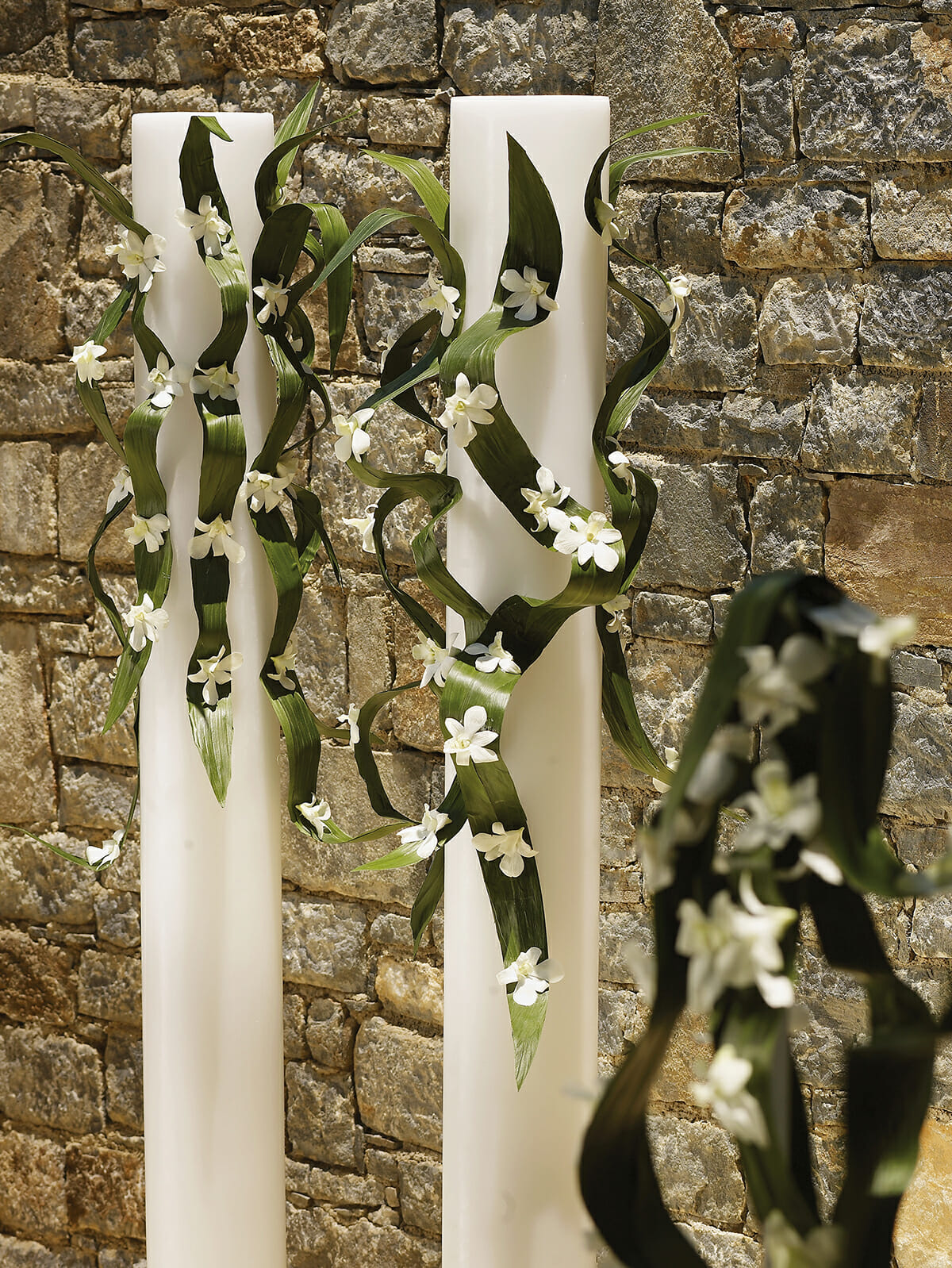
Welcome to my floral design blog dedicated to luxury weddings, destination events, and the art of professional floristry.

Here you’ll find expert insights into wedding flowers, event floral design, and high-end celebrations shaped by craftsmanship, culture, and intention. I share behind-the-scenes stories from international weddings, design concepts for luxury events, and practical knowledge drawn from decades of experience as a master florist.

This blog is written for couples, planners, creatives, and industry professionals seeking refined floral inspiration, thoughtful design, and timeless elegance—where flowers are not decoration, but an essential part of the experience.

Welcome, and enjoy the journey.